How Often Should You Repaint Your House Exterior in Las Vegas?
If you want to repaint your house exterior in Las Vegas at the right time, the honest answer is more often than you would in most of the country. In a milder climate a good exterior paint job can last 10 years or more. In the Las Vegas valley, the desert sun, extreme heat, and dry air wear paint down faster, so most homes need a fresh exterior coat every 5 to 7 years. Some surfaces need it sooner. This guide breaks down how often to repaint by surface, why the desert is so hard on paint, and the warning signs that tell you it is time.
We repaint homes across Las Vegas, Henderson, Summerlin, and the surrounding valley, so we see exactly how the climate ages a finish. Knowing your real timeline helps you repaint before the paint fails, which is always cheaper than waiting until the sun has damaged the surface underneath.
How Often Should You Repaint a House Exterior in Las Vegas?
For a typical Las Vegas home, plan on repainting the exterior every 5 to 7 years. That is a general window, and the exact timing depends on three things: the surface material, the quality of the last paint job, and how much direct sun each side of the house takes. South and west-facing walls fade first because they absorb the most afternoon sun, so it is common for one side of a house to look tired while the shaded side still looks fine.
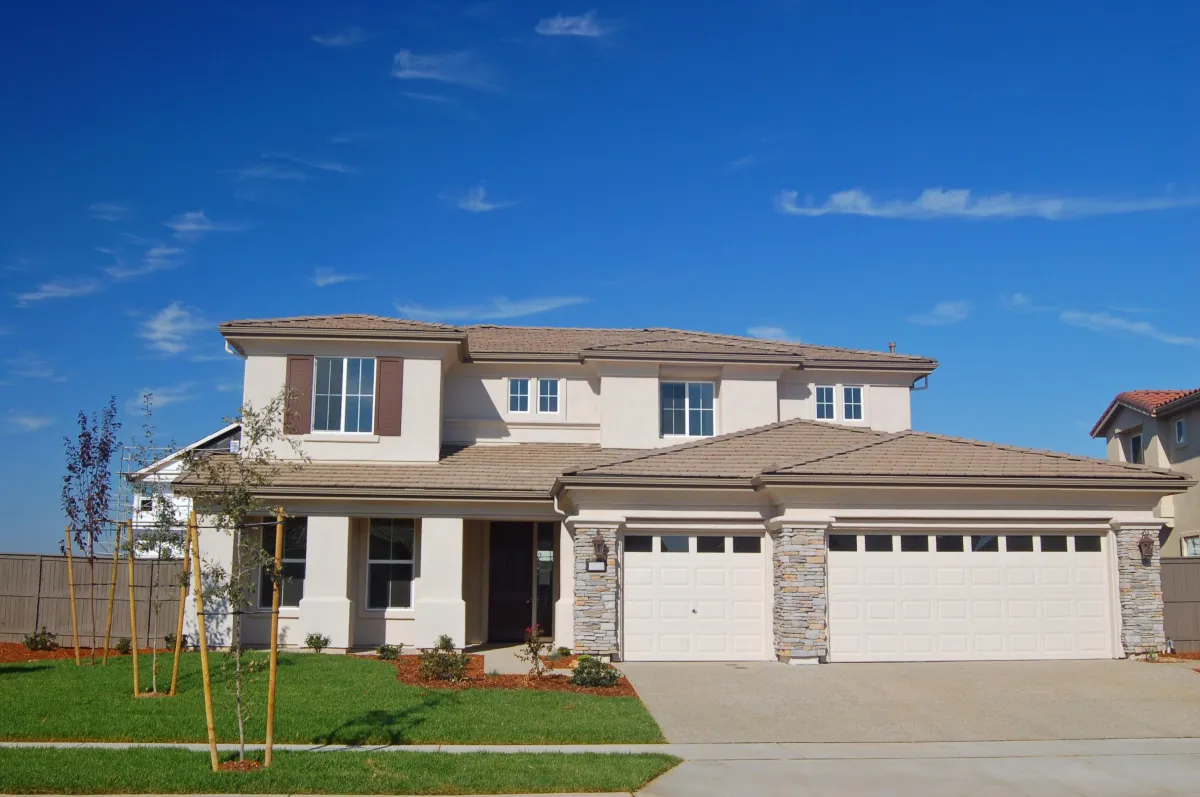
The material matters just as much as the sun. Stucco, which covers most homes in the valley, holds paint longer than wood. Wood trim, fascia boards, and doors expand and contract more with the heat and tend to be the first surfaces to show wear. That is why many homeowners do a full repaint every 5 to 7 years and touch up the trim and front door in between.
Why Las Vegas Homes Need Repainting More Often
The desert creates a set of stresses that simply do not exist in more moderate climates. Understanding them explains why the repaint clock runs faster here:
- Relentless UV exposure. Las Vegas sees more than 300 sunny days a year. Ultraviolet rays break down the binders that hold paint together and fade the color, especially on south and west-facing walls. UV damage is the single biggest reason desert paint jobs age faster than the national average.
- Extreme heat cycling. Summer surface temperatures on an exterior wall can climb well past 120°F, then drop sharply overnight. The wall expands and contracts every single day. Over years, that constant movement stresses the paint film and works it loose, particularly on trim and siding.
- Very low humidity. The dry desert air pulls moisture out of paint and wood alike. It can cause paint to become brittle and chalky over time, and dries out wood trim so it moves and cracks more.
- Dust and wind. Blowing desert dust and grit act like a light abrasive on exterior surfaces, gradually dulling the finish and collecting in any spot where the paint has started to fail.
None of this means a Las Vegas paint job is doomed to fail early. It means the products and the prep have to be matched to the desert, and the repaint timeline has to account for a harsher environment than the paint-can label assumes.
Exterior Repaint Timelines by Surface
Different surfaces on the same house wear at different rates. Here is a realistic Las Vegas guide:
| Surface | Typical Repaint Window |
|---|---|
| Stucco walls | 7 to 10 years |
| Wood siding | 5 to 7 years |
| Trim and fascia | 4 to 6 years |
| Front door | 3 to 5 years |
| Metal railings and gates | 4 to 6 years |
Because the surfaces age at different speeds, a smart maintenance plan is a full exterior repaint every 5 to 7 years, with a quick trim-and-door refresh in the middle. That keeps the most sun-exposed surfaces protected without repainting the whole house twice as often.
Not sure if your home is due?
We will walk your exterior, tell you honestly whether it needs paint now or can wait, and give you a free written estimate either way. No pressure.
Book Your Free Estimate →7 Signs It Is Time to Repaint Your Exterior
The calendar is a guide, but the house itself will tell you when it is time. Walk your exterior a couple of times a year and look for these signs:
- Fading color. If the sunny sides of the house are noticeably lighter than the shaded sides, UV has started breaking down the paint. Fading is often the first visible sign.
- Chalking. Rub your hand on the wall. If it comes away with a fine, powdery residue, the paint binder is failing and the surface is no longer protected.
- Cracking or flaking. Small cracks or lifting flakes, especially on trim and fascia, mean the paint film has lost its flexibility and is letting go.
- Peeling. Peeling paint exposes the surface underneath to sun and moisture and will spread quickly once it starts.
- Bare or exposed wood. Any spot where you can see raw wood on trim, doors, or siding needs attention before the wood itself gets damaged.
- Stucco hairline cracks. Cracks in stucco should be patched and sealed before repainting so moisture cannot get behind the wall.
- You just want a change. Fresh color is one of the highest-return updates you can make to a home's curb appeal, and a repaint is a chance to modernize the look.
How to Make an Exterior Paint Job Last Longer in the Desert
The gap between a paint job that fails in 4 years and one that holds for 8 comes down to prep and product. A few things make the biggest difference in the Las Vegas climate:
- Proper prep. Washing, scraping, sanding, and priming bare spots is what makes paint bond and stay bonded. Prep is unglamorous and it is where most cheap paint jobs cut corners.
- 100% acrylic paint. Acrylic exterior paint stays flexible through the daily heat cycling and resists UV fade far better than lower-grade products. We use Sherwin-Williams and Dunn-Edwards exterior lines that are built to perform in extreme desert sun.
- Patch stucco first. Filling and sealing cracks before painting keeps moisture out of the wall and stops the new finish from cracking along the old lines. Learn more about stucco repair in Las Vegas if your walls are showing cracks.
- Smart color choices. Lighter and mid-tone colors reflect more heat and show fade less dramatically than very dark colors, which absorb more sun and can age faster on the hottest walls.
- Paint in the right season. Spring and fall give the mild temperatures that let paint cure properly. Painting a wall in the peak of summer heat can hurt adhesion.
AllPro Painters is a licensed Nevada painting contractor with more than 10,000 completed projects across the Las Vegas valley. We handle exterior repaints from wash and prep through the final coat, we match the paint system to the desert, and we back the work with a written warranty. Explore our full-service painting in Las Vegas to see how we approach a home exterior.
Repainting Your Las Vegas Exterior: Common Questions
How long does exterior paint last in Las Vegas?
A quality exterior paint job on a Las Vegas home typically lasts 5 to 7 years, with stucco holding up on the longer end and wood trim and doors wearing sooner. The desert sun and heat shorten paint life compared to milder climates, so the national 10-year estimate does not apply here.
Why does my house exterior fade so fast in the desert?
Ultraviolet rays from more than 300 days of sun a year break down the binders and pigments in paint. South and west-facing walls take the most afternoon sun, so they fade first. Higher-grade 100% acrylic paint resists this far better than budget products.
What is the best time of year to repaint an exterior in Las Vegas?
Spring and fall are ideal. The milder temperatures let the paint cure properly and bond well. Painting during the peak summer heat, when walls can exceed 120°F, can hurt adhesion and cause lap marks.
Should I repaint the whole house or just the trim?
It depends on condition. Trim, fascia, and doors wear faster than stucco walls, so many homeowners refresh those in between full repaints. If the walls are chalking, fading, or cracking, it is time for the whole exterior.
Does a fresh exterior paint job add value to a Las Vegas home?
Yes. Exterior paint is one of the highest-return curb appeal updates, especially in a market where sun-faded siding stands out. A clean, current exterior color helps a home show and sell better.