Painting in Hot Weather: What You Need to Know in Las Vegas
Do You Have to Paint Differently in Hot and Humid Weather?
Painting your home in the summer heat? Here’s what you need to know for a long-lasting, professional finish - especially in places like Las Vegas, Reno, or Cedar City. Schedule Your Free Estimate
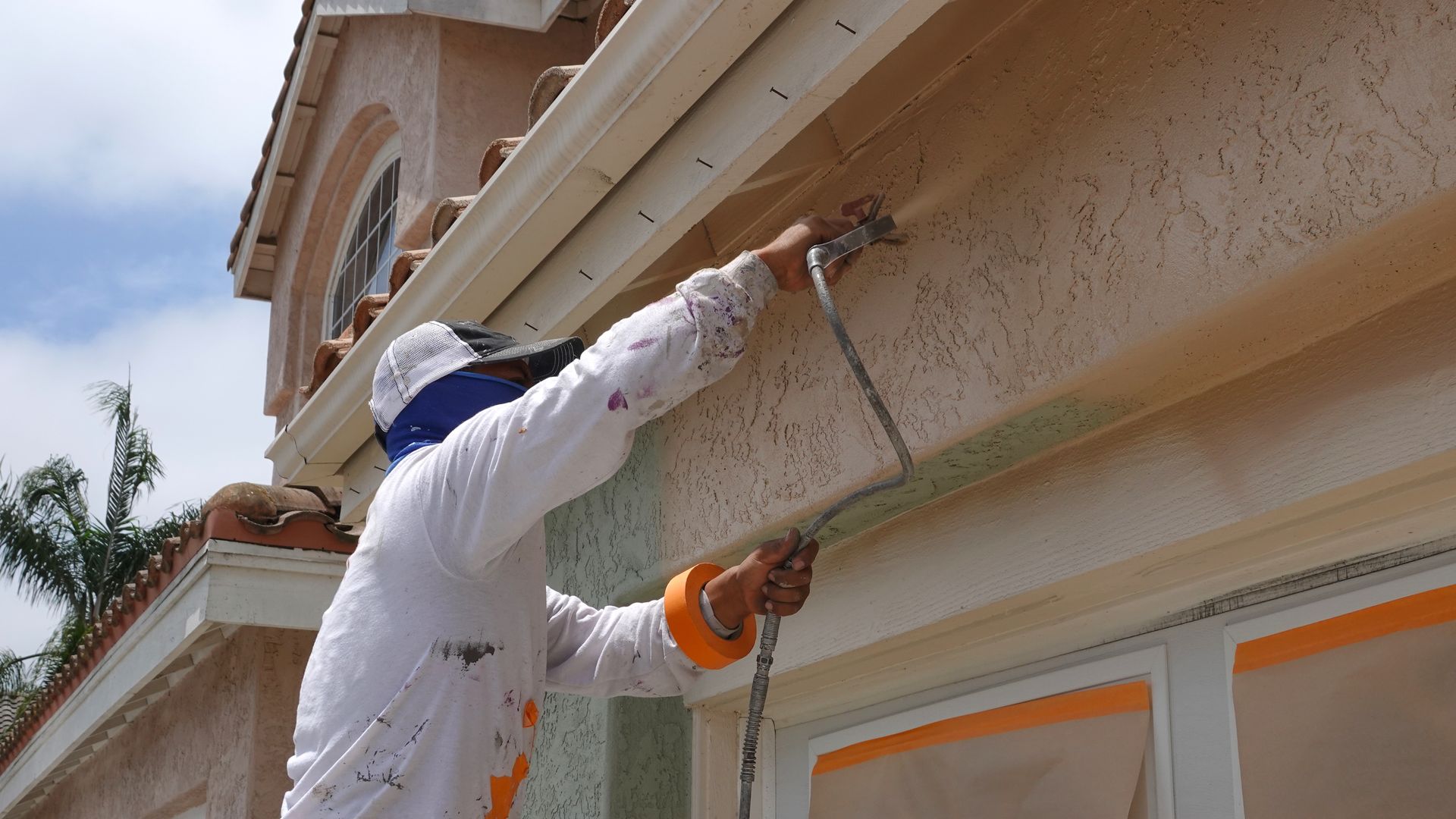
We recently worked with a homeowner in Las Vegas who wanted to refresh their home’s exterior. But the heat was drying the paint too quickly, leading to problems with adhesion and finish. Whether you're dealing with dry heat in Reno or rapid weather changes in Cedar City, painting during summer demands a different approach. Here's how to get it right.
Why Hot and Dry Weather Makes Painting Difficult
Heat dries paint too fast - This causes “flash drying,” leading to streaks and rough finishes.
Moisture slows down drying - In Utah's humid regions, moisture can cause tacky paint and poor adhesion.
Understanding Paint in Extreme Weather
Heat and dryness affect different types of paint in unique ways:
Latex Paint: Best between 50°F–90°F. Too much heat causes streaks or blisters.
Oil-Based Paint: Slower drying, but thickens in heat - making it harder to apply.
Humidity: Slows solvent evaporation, leading to weak adhesion or mold growth.
How to Prep Your Home for Exterior Painting
Wash exterior surfaces with mild soap and water.
Let them dry completely before priming or painting.
Use primers made for high heat; look for mildewcide in humid areas.
Use a moisture meter and surface thermometer before painting.
Best Times of Day to Paint
Early morning: Cooler temps and no direct sun yet.
Late afternoon: After the surface cools down.
Follow the shade: Move around the house as the sun shifts.
Choosing the Right Paint
Acrylic latex: Flexible and heat-resistant.
Moisture-resistant formulations: Help prevent mildew.
Breathable paints: Allow trapped moisture to escape.
UV-resistant coatings: Ideal for high elevations like Cedar City.
Tools That Make a Difference
Synthetic brushes: Better than natural bristles in heat.
Right roller nap: Match texture of your siding.
Paint conditioners: Help slow drying and improve flow.
Cool storage: Keep paint and tools out of the sun.
Techniques That Work in Summer Heat
Work in small sections to keep a wet edge.
Apply the right thickness - avoid overloading your brush.
Let each coat fully dry before applying the next.
Common Mistakes to Avoid
Painting hot surfaces: Leads to cracking and peeling.
Ignoring overnight humidity: Can trap moisture in the paint film.
Rushing the job: Causes streaks and drips. Don’t cut corners.
Improper mixing: Always follow manufacturer instructions.
Tips by Region
Las Vegas, NV
Extreme daytime heat and UV exposure
Best time to paint: October through April
Call us: (702) 550-4755
Reno, NV
High-altitude dryness causes fast evaporation
Watch for temperature swings between day and night
Call us: (775) 618-1779
Cedar City, UT
Mountain weather is unpredictable - be flexible
UV-resistant paint is key due to elevation
Call us: (435) 990-7020
Need Help Painting in Tough Conditions?
Whether you're in Las Vegas, Reno, or Cedar City, our local experts understand how to work with your climate - and get it right the first time. Call the location nearest you:
Las Vegas, NV 89130 - (702) 550-4755
Reno, NV 89431 - (775) 618-1779
Cedar City, UT 84720 - (435) 990-7020
Frequently Asked Questions
What’s the biggest challenge of painting in hot weather?
Flash drying and adhesion problems caused by extreme temperatures.
What kind of paint works best?
Acrylic latex with mildew resistance. Also consider breathable or heat-resistant options.
Can I paint in humid conditions?
Yes - but check that the surface is dry with a moisture meter.
When is the best time to paint?
Early morning or late afternoon. Avoid painting in direct sunlight or on hot surfaces.
Do I need special brushes?
Yes. Use synthetic bristles and match roller nap to your siding type.